



 Is it safer to drive to your destination or fly high in the sky? An age-old question we’ve all probably mulled over in our minds. Today, we’re here to clear the air (pun intended) and present you with a comparative analysis on airplane incident statistics vis-à-vis other types of disaster.
TL;DR
- Air travel is statistically safer than car travel, with the odds of a fatal airplane incident being 1 in 3 million, compared to cars where the odds are 1 in 102.
- The aviation industry had its third safest year in 2019 with one major accident for every 884,000 flights.
- MIT’s aviation safety expert, Arnold Barnett, highlights the reliability of flying in terms of micromorts, a one-in-a-million chance of dying.
Table of Contents
A Journey to the Heart of Safety Statistics
Let’s start off with some stats that may seem hard to believe. According to the Aviation Safety Network, your chances of being involved in a fatal airplane accident are as low as 1 in 3 million. To put it into perspective, your odds of encountering a car accident are a staggering 1 in 102. That’s like comparing a pebble to a mountain!
Soaring Through the Skies: Is Air Travel the Safest Option?
In 2019, a major milestone was reached in the aviation industry. The International Air Transport Association (IATA) reported that there was one major accident for every 884,000 flights, making it the third safest year in aviation history. That’s not just a fluke; it’s an industry that has invested heavily in safety over the years.
Insights from the Experts
Arnold Barnett, a professor at the Massachusetts Institute of Technology (MIT) and a trusted voice in aviation safety, drives the point home: “Flying has become so reliable that we have to think in terms of micromorts – a one-in-a-million chance of dying.”
Your Safety is Their Priority
The aviation industry works relentlessly to maintain and improve safety standards. Rigorous maintenance checks, pilot training programs, and advanced air traffic control systems are just some of the measures in place to ensure your journey remains a safe one.
Giving Wings to Safety Standards 🚁
Air travel isn’t just about moving from point A to B. It’s a meticulously planned and executed operation involving countless individuals and technologies working tirelessly to ensure your safety.
The Sky is the Limit: Constant Advancements in Air Travel Safety
Technological advancements have immensely helped increase safety in air travel. Aircraft design has improved drastically with the introduction of new materials and technologies. For instance, engines are now more efficient and reliable. Technological advancements have also been made in navigational tools, weather tracking, and air traffic control systems, reducing risks related to flying.
Safety is in the Air: The Role of the Crew
An airplane crew goes beyond just serving your favorite snacks. Pilots undergo extensive training and have to meet a certain threshold of flight hours before they are allowed to command a flight. Additionally, flight attendants are trained in safety procedures and emergency medical assistance, so they are equipped to handle a variety of situations that may arise during a flight.
Ground Control to Major Safety: Airport Security Measures
Airports have rigorous security checks to prevent unauthorized or dangerous items from being carried onboard. In addition, airports follow stringent safety protocols during takeoff and landing, ensuring a smooth transition from the ground to the sky and vice versa
Your Friendly Skies Await 🛫
With safety standards at an all-time high and incident rates at historic lows, there’s never been a better time to embrace air travel. Just sit back, relax, and enjoy the flight. After all, as our statistics have shown, flying is one of the safest ways to travel!
The Unseen Heroes of the Sky: Air Traffic Controllers ✈️
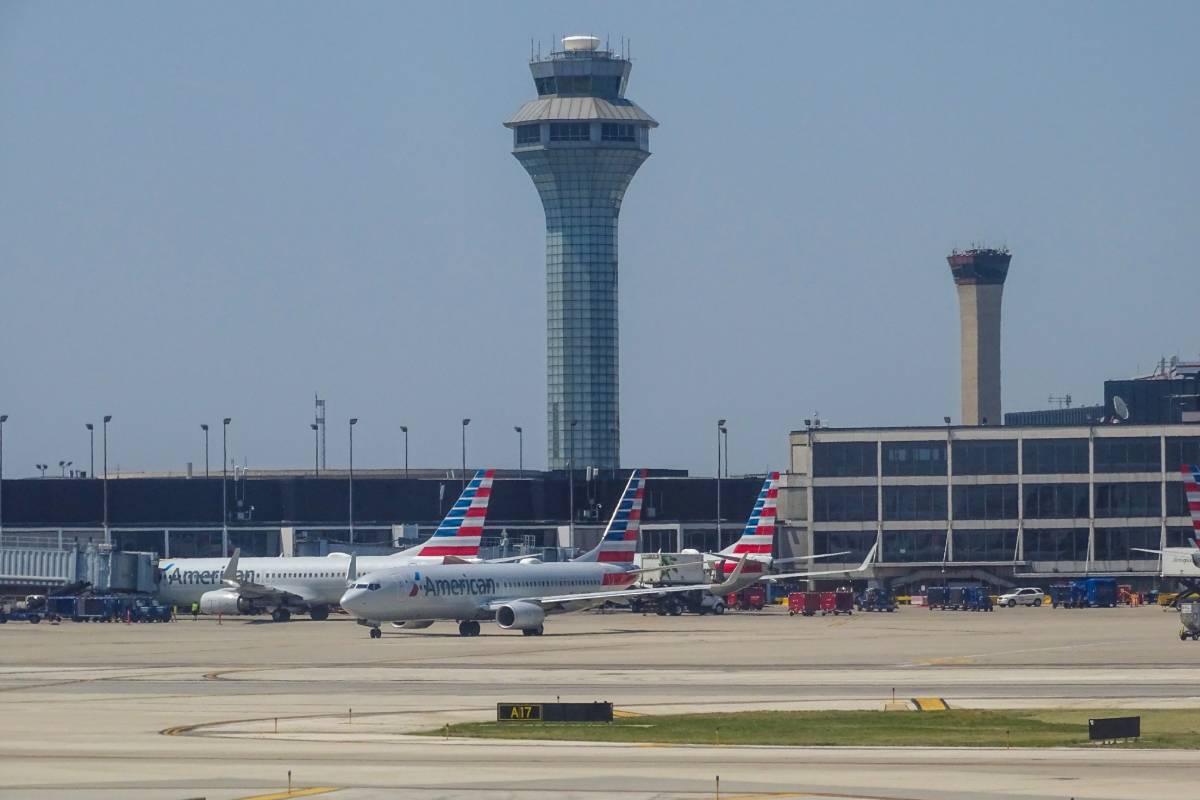
Did you know that thousands of airplanes crisscross our skies every day? It’s a testament to the remarkable work of air traffic controllers that all this happens with such precision and safety. They are the guardians of the sky, orchestrating a complex ballet of flights, ensuring they stay a safe distance from each other and guiding them during take-off, flight, and landing.
A Weather Eye on the Sky: Meteorologists
Weather is an important factor in air travel, and accurate weather forecasting plays a critical role in ensuring flights can operate safely. Meteorologists, with their sophisticated technology and expert knowledge, provide crucial information that helps pilots make informed decisions about flight paths and altitudes to avoid adverse weather conditions.
The Future of Air Travel Safety: Automation and AI
The world of aviation is continually evolving. With advancements in technology, we are seeing an increasing use of automation and Artificial Intelligence in maintaining safety. Whether it’s the use of AI for better predictive maintenance of aircraft or the integration of automated systems to assist air traffic controllers, technology is shaping the future of air travel safety.
Buckle Up for Safety: The Role of Passengers 🧳

While the aviation industry is doing its part, passengers too play a role in their own safety. From paying attention to the safety briefing, following cabin crew instructions, to understanding the importance of wearing a seatbelt during flight, every little action contributes to a safer journey.
In a Nutshell 🥜
When it comes to travel safety, air travel, as per the stats, indeed soars above the rest. Whether you’re an occasional traveler or a seasoned globe-trotter, this information should reassure you that when you board that flight, you’re choosing one of the safest ways to travel.
To Infinity and Beyond
Next time you’re debating whether to take that road trip or fly, remember the odds. Keep this information handy and enjoy your journey, whichever mode you choose. Safe travels!
FAQs
What are the odds of a fatal airplane incident?
The odds of a fatal airplane accident are 1 in 3 million, significantly lower than car accidents where the odds are 1 in 102.
What does the term micromorts mean?
Micromorts refer to a unit of risk measuring a one-in-a-million chance of dying. It’s used in the context of flying to demonstrate its safety.
Was 2019 a safe year for air travel?
Yes, according to the IATA, 2019 was the third safest year in aviation history with one major accident for every 884,000 flights.
How does the aviation industry maintain safety standards?
The industry employs a range of measures such as rigorous maintenance checks, comprehensive pilot training programs, and advanced air traffic control systems to ensure safety.
What role does technology play in air travel safety?
Technological advancements have been key in improving air travel safety. From more efficient engines to better navigational tools and improved air traffic control systems, technology plays a huge role in ensuring safe flights.
How trained are the airplane crew for safety?
Pilots go through extensive training and need to meet a specific threshold of flight hours before commanding a flight. Flight attendants are also trained in safety procedures and emergency medical assistance, enabling them to handle a variety of situations during a flight.
What safety measures are taken at airports?
Airports implement rigorous security checks to prevent unauthorized or dangerous items from being carried onboard. They also follow stringent safety protocols during takeoff and landing, ensuring a smooth transition from the ground to the sky and vice versa.
Who are air traffic controllers?
Air traffic controllers are highly trained professionals who guide airplanes during takeoff, flight, and landing to ensure they maintain a safe distance from each other.
How important is weather forecasting in air travel?
Weather forecasting is crucial in air travel. It provides pilots with crucial information to make informed decisions about flight paths and altitudes, thereby avoiding adverse weather conditions.
How is technology shaping the future of air travel safety?
With advancements in technology, we are seeing increased use of automation and Artificial Intelligence in maintaining air travel safety. These technologies are being used for tasks like predictive maintenance of aircraft and assisting air traffic controllers.
What role do passengers play in air travel safety?
Passengers too play a role in their own safety. This includes paying attention to the safety briefing, following cabin crew instructions, and understanding the importance of wearing a seatbelt during the flight.
Time to Spread Your Wings 🕊️
As we wrap up our journey through the world of airplane incident statistics and their comparison to other types of disaster, it’s evident that the safety of air travel is an industry priority. With technological advances, strict regulations, meticulous training, and continuous improvements in safety measures, air travel remains a secure and efficient way to get from A to B.
Remember, it’s not just about reaching your destination but also about enjoying the journey. The next time you buckle up at 35,000 feet, rest easy knowing that you’re in the capable hands of countless unseen heroes working tirelessly to ensure your flight is safe and pleasant.
So, are you ready to explore the skies without worry? Bon voyage, fellow travelers! 🌍🛫