


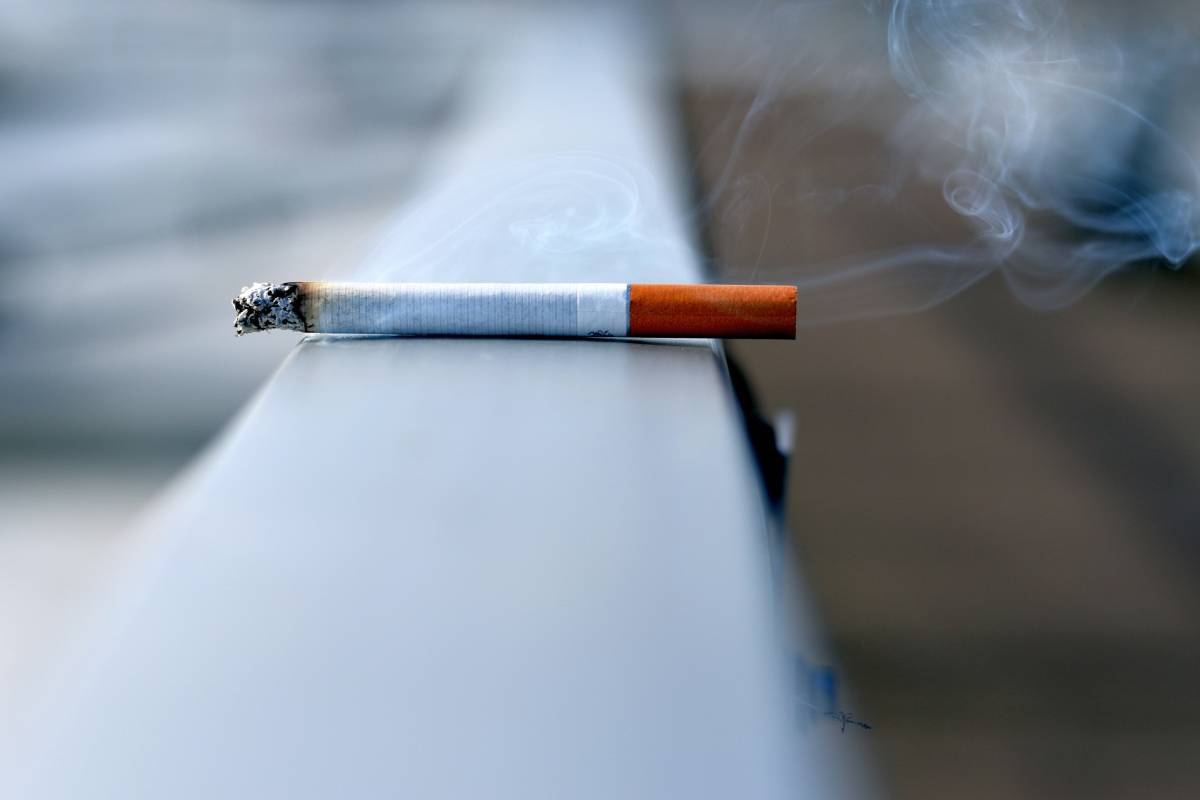
Yes, you can bring cigarettes on a plane in carry-on or checked baggage with no TSA restriction on quantity. You cannot smoke them during the flight. All smoking including vaping has been banned on US commercial flights since 1995. Violating the ban carries fines up to $25,000 per FAA enforcement guidelines.
Below is the full breakdown on carrying cigarettes, lighters, cigars, rolling tobacco, and the duty-free limits that apply when flying internationally.
Table of Contents
Cigarettes in Carry-on and Checked Baggage
TSA allows cigarettes in both carry-on and checked baggage with no size or quantity restriction from a security standpoint. Any quantity passes security in either bag.
The practical limit when flying internationally is customs. Each country sets a duty-free allowance for how many cigarettes you can bring in without paying import duty. Bringing more is legal in many cases, but you’ll owe duty on the excess and in some countries face confiscation.
The Smoking Ban: What You Can’t Do
Smoking on US commercial flights has been federally banned since 1995. The ban covers all tobacco products and extends to e-cigarettes and vapes as well. This applies to all US domestic and international flights operated by US carriers, and virtually every international carrier has equivalent policies.
The consequences of smoking on a flight:
- FAA civil penalty: Up to $25,000 per violation
- Federal criminal charges in serious cases, particularly if the incident causes a disturbance or involves tampering with smoke detectors
- Tampering with a lavatory smoke detector is a separate federal crime carrying fines up to $2,000 per occurrence
- Immediate restraint and possible diversion of the flight
In-flight smoking incidents are still reported every year. The FAA takes them seriously, and so do the airlines. Carriers have diverted flights and pressed criminal charges against passengers who lit up mid-flight.
Lighters and Matches on Planes

TSA rules for lighters and matches are specific:
- Disposable and Zippo-style lighters: 1 allowed in carry-on (in your pocket or DOT-approved case). NOT allowed in checked baggage.
- Torch/jet lighters: Not allowed in carry-on or checked.
- Lighter fluid: Not allowed in carry-on or checked.
- Strike-anywhere matches: Not allowed in carry-on or checked.
- Safety matches (book matches): 1 small pack allowed in carry-on. NOT allowed in checked.
The key rule to remember: lighters and matches go in carry-on only, never checked. The cargo hold has higher fire risk from oxygen concentration, which is why lighters are restricted from checked baggage. See our full guide to lighters on planes for the complete breakdown.
Cigars, Pipe Tobacco, and Rolling Tobacco
All tobacco products follow the same TSA rule as cigarettes: allowed in carry-on and checked with no quantity restriction. Cigars travel best in a hard-shell case to prevent crushing. Rolling tobacco and loose tobacco can go in either bag.
If you’re carrying premium cigars worth significant money, keep them in carry-on rather than checked. The pressurized, humidity-controlled cabin is better for tobacco than the cargo hold, and you eliminate the theft risk.
International Duty-Free Allowances for Cigarettes
When flying internationally, customs regulations cap how much tobacco you can import duty-free. These limits vary by country. If you exceed them, you typically owe duty on the excess, and in some countries the excess may be confiscated.
Common limits for importing cigarettes (subject to change; confirm with customs before flying):
- US (returning from abroad): 200 cigarettes (1 carton) duty-free per person if you’ve been abroad more than 48 hours
- UK: 200 cigarettes when arriving from outside the UK
- EU: 200 cigarettes when arriving from outside the EU
- Australia: 25 cigarettes (plus 25g of other tobacco) duty-free per person 18 and older
- Canada: 200 cigarettes duty-free
- Japan: 400 cigarettes duty-free
Always declare tobacco purchases at customs. Undeclared tobacco over the limit can result in confiscation plus penalties. Most countries publish their current limits on their official customs authority website.
Nicotine Patches and Gum During the Flight
Nicotine patches, gum, lozenges, and pouches are all allowed on flights with no restriction. If you’re flying long-haul and smoking cravings are a concern, these are the straightforward solution. Nicotine patches in particular work well on long flights since you apply them before the flight and don’t need to do anything mid-flight.
Frequently Asked Questions About Cigarettes on Planes
Can you bring cigarettes in carry-on luggage?
Yes. TSA has no quantity restriction on cigarettes in carry-on. You can bring as many packs as you want from a security standpoint. International customs limits are a separate issue that applies on arrival at your destination.
Can you smoke on a plane?
No. Smoking has been federally banned on US commercial flights since 1995. The ban includes cigarettes, cigars, pipes, and e-cigarettes. Violations carry FAA civil penalties up to $25,000 per incident, plus potential federal criminal charges in serious cases.
Can you bring a lighter on a plane?
Yes, but only in carry-on. One disposable or Zippo-style lighter is allowed in your carry-on or pocket. Torch lighters, lighter fluid, and strike-anywhere matches are not allowed in either carry-on or checked. Safety matches (one small book) are allowed in carry-on only.
Can you bring cigars on a plane?
Yes. Cigars follow the same rule as cigarettes: allowed in both carry-on and checked with no TSA quantity limit. Pack in a hard-shell case to prevent crushing. Bring in carry-on if the cigars are valuable to protect them from cargo conditions and potential theft.
How many cigarettes can I bring on an international flight?
As many as you want from TSA’s perspective. The limit is set by your destination country’s customs allowance. The US allows 200 cigarettes (1 carton) duty-free for returning residents. Other common limits: UK 200, EU 200, Australia 25, Canada 200, Japan 400. Anything above the duty-free limit may be subject to import duty or confiscation if undeclared.
What happens if you smoke on a plane?
You face an FAA civil penalty of up to $25,000 per violation. In more serious cases, federal criminal charges can apply. Tampering with a smoke detector in a lavatory is a separate federal crime with fines up to $2,000. Airlines have diverted flights and had passengers arrested for mid-flight smoking incidents.
Can you vape on a plane?
No. E-cigarettes and vapes are banned from use on US commercial flights under the same prohibition as cigarettes. Vaping devices must travel in carry-on (not checked) because of the lithium battery. The device can be packed but cannot be used during the flight. See our full guide on bringing a vape on a plane.