


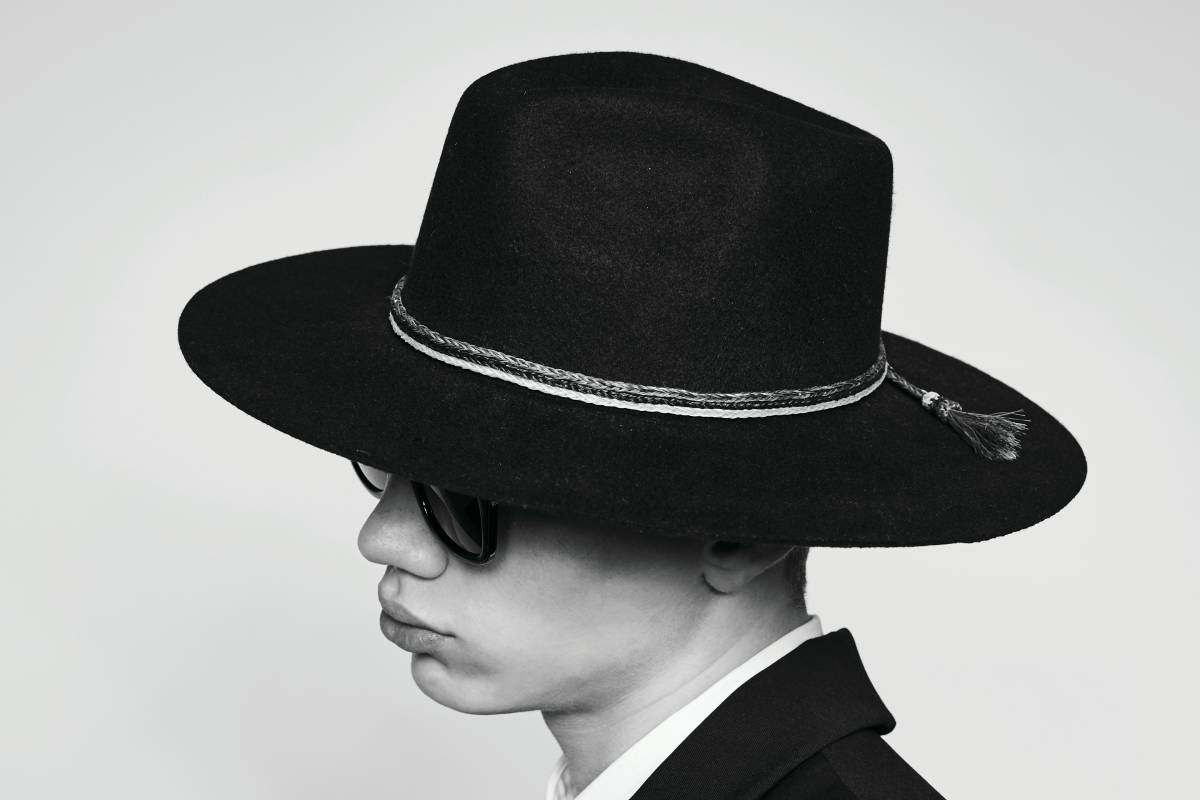

Yes, you can wear a hat on a plane. TSA has no rule against headwear. The only hat-related moment at security is when an agent asks you to remove it if your hat triggers the metal detector or the agent wants a clearer look. That’s rare with a standard baseball cap or beanie. Wide-brimmed hats, sombrero-style hats, and tall hats may cause problems in the cabin, but that’s more about the limited overhead space and confined seating than any TSA rule.
Table of Contents
Hats at Airport Security
Hats don’t automatically need to come off at the TSA checkpoint. The standard process is: remove your shoes, laptop, and any metal items from your pockets, then walk through the millimeter-wave scanner or metal detector wearing your hat.
A TSA agent may ask you to remove your hat if:
- The hat has a metal brim, rivets, or decorations that could trigger the metal detector
- The agent wants to confirm there’s nothing concealed beneath it
- You’re being screened via pat-down instead of scanner
In practice, a baseball cap, beanie, bucket hat, or trucker hat goes through security without any issue the vast majority of the time. Structured hats with metal elements, particularly those with decorative brooches, wires, or thick brims, are more likely to get flagged.
If you’re wearing a hat for religious or medical reasons, TSA has a specific protocol. Agents are not supposed to require removal of religious headwear (yarmulkes, hijabs, turbans, Sikh dastar) as a routine step. If additional screening is needed, they use alternative screening procedures like a self-patdown that the passenger can perform. If you’re asked to remove religious or medical headwear in public at the checkpoint, you can request a private screening room instead.
Wearing a Hat on the Plane
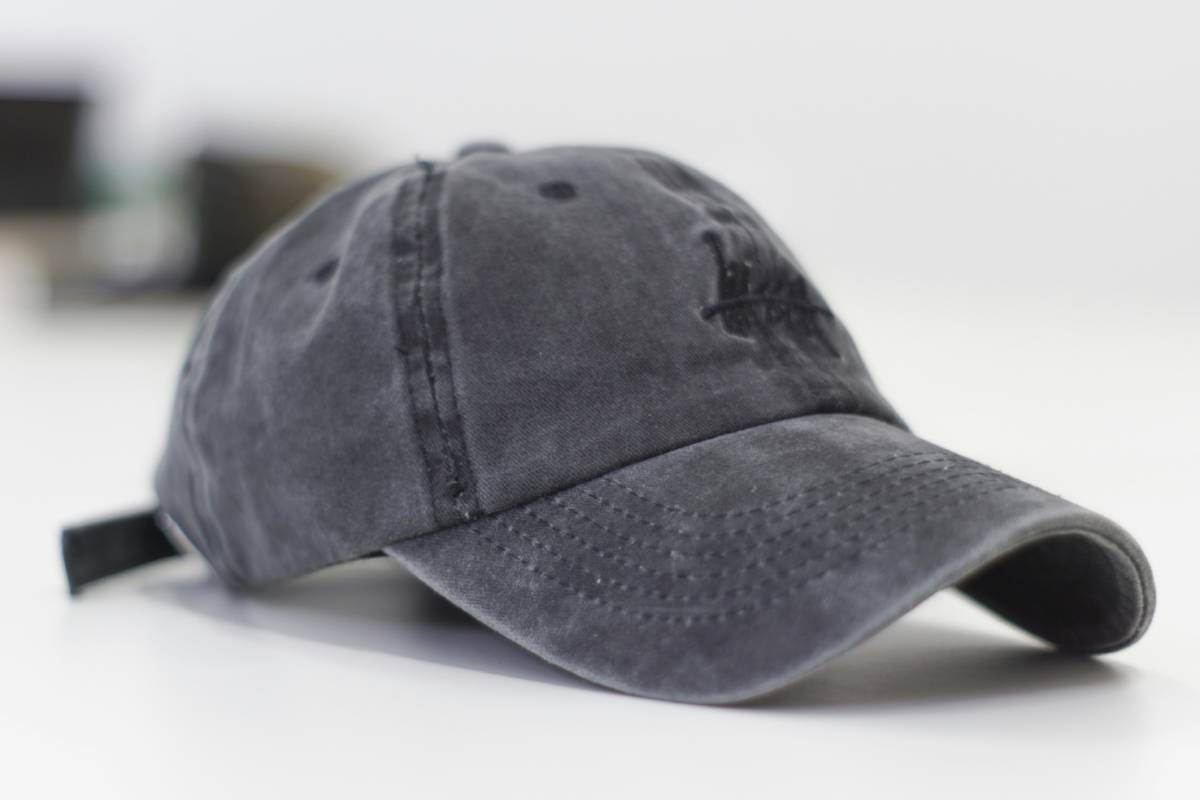
Once on the plane, there’s no rule against wearing your hat. Wear it for the entire flight if you want. Airlines don’t have hat policies the way they have device policies during takeoff and landing.
The practical issues are cabin logistics:
- Wide-brimmed hats: A large floppy sun hat or a cowboy hat with a wide brim takes up more space than the average airplane seat was designed to accommodate. You can’t really wear a 4-inch brim hat in a window seat without bumping it on the wall. Most people put wide-brimmed hats in the overhead bin, but they crush easily if anything gets stacked on top.
- Tall hats: Top hats, high-crowned cowboy hats, and similar tall structures can block the view of passengers sitting behind you, which is a courtesy issue even if it’s not a rule. For flights under 2 hours, most passengers will tolerate it. For a 6-hour international flight, expect some friction.
- Baseball caps, beanies, and low-profile hats: No issue at all. Wear them, sleep in them, take them off when they get warm.
How to Store a Hat on a Plane
A baseball cap or beanie can go in the overhead bin or seatback pocket. For structured hats that can be crushed:
- Wear it on your head. The most crush-proof storage method.
- Put it crown-down in the overhead bin. This is the safest position for structured hats. Place it brim-up, crown facing the bin floor, and put lighter items inside it.
- Bring a hat box as a carry-on. If the hat is genuinely fragile and valuable (a good Stetson or a straw hat you don’t want to ruin), a dedicated hat travel box that fits overhead bin dimensions is the right call.
- Pack in checked if it can handle it. A crushable felt hat or wool hat can survive checked baggage if you pack it stuffed with socks inside the crown, surrounded by soft clothing.
Best Types of Hats for Air Travel
If you’re picking a hat specifically for flying:
- Packable sun hats: Wide-brimmed but designed to fold flat without losing their shape. Good for beach and outdoor destinations where you need sun protection but don’t want to carry a rigid hat.
- Baseball caps: The lowest-maintenance travel hat. Folds in your pocket, good for blocking window light during naps, no security issues.
- Beanies: Excellent for cold cabins and destinations that need warm headwear. Packs to nothing in your bag.
- Crushable felt hats: Mid-brim wool or felt hats that are designed to be packed and reformable. Good balance between style and practicality.
Frequently Asked Questions About Wearing Hats on Planes
Do you have to take off your hat at airport security?
Not automatically. TSA may ask you to remove it if the hat has metal elements that trigger the scanner, or if the agent wants to confirm nothing is hidden beneath it. Standard baseball caps, beanies, and low-profile fabric hats almost never need to come off. Religious and medical headwear has a specific protocol that doesn’t require public removal.
Can you wear a hat on a plane during the flight?
Yes, with no restrictions. Airlines don’t have hat policies. The only practical consideration is courtesy: wide-brimmed or tall hats can block the sightlines of passengers behind you, which is a matter of common consideration rather than a rule.
What do you do with a wide-brimmed hat on a plane?
Options: wear it the whole flight (if you’re in a window seat with enough room), store it crown-down in the overhead bin with lighter items inside it, or bring a crush-resistant hat box that fits overhead bin dimensions. Checking a wide-brimmed hat in luggage works if it’s a crushable style and you pack it stuffed with clothing.
Can I wear a hijab, turban, or kippah through TSA security?
Yes. TSA policy is not to require routine removal of religious headwear. If additional screening is needed, agents use alternative procedures. If you are asked to remove religious headwear publicly, you have the right to request a private screening room. TSA’s stated policy is to respect religious head coverings.
Can I pack a hat in my carry-on?
Yes. Baseball caps and beanies pack easily in any bag. For structured hats (straw hats, felt fedoras, cowboy hats), pack them crown-down with the interior stuffed with soft items for protection. Some travelers bring a small hat box as their carry-on item specifically for a fragile dress hat.
Is it rude to wear a hat on a plane?
Not inherently. A normal cap or beanie is fine. A large hat that blocks the view or extends into a neighboring seat’s space is a courtesy issue on a long flight. For short flights, most passengers won’t mind even a wide-brimmed hat.